Government Museum, Ooty

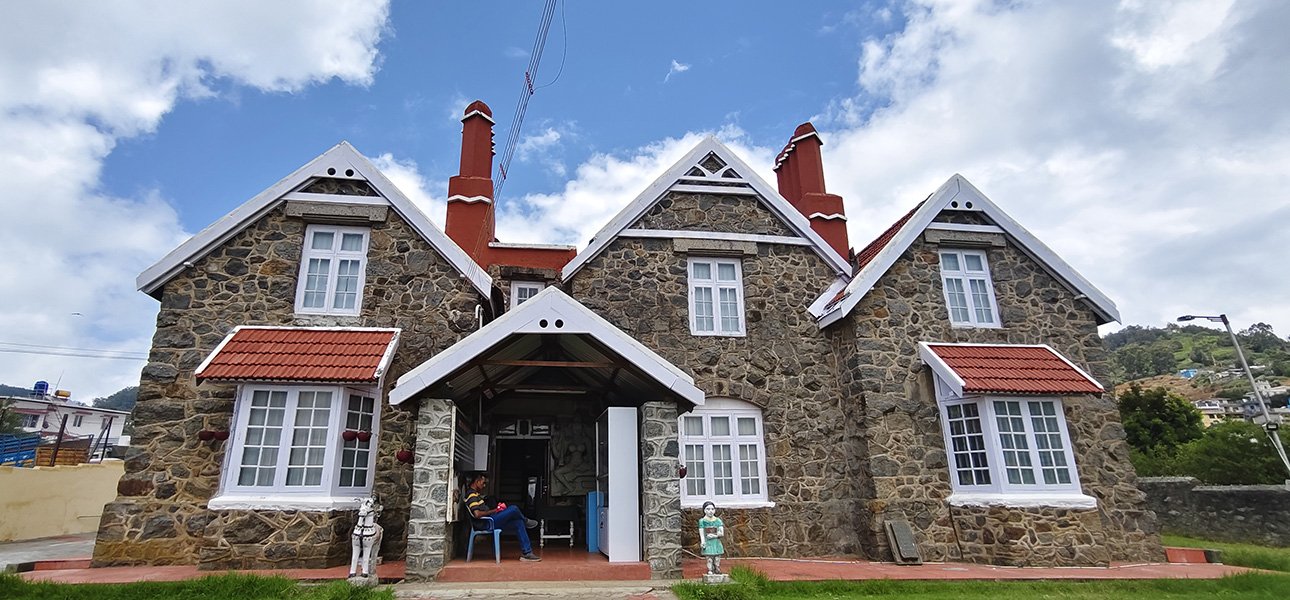
The Government Museum in Udhagamandalam (Ooty) was opened in 1989 to record the natural and cultural history of the Nilgiri Biosphere Reserve. It stands near Stone House and the Government Arts College, and its galleries cover 18 indigenous tribes, prehistoric megalithic tools, wood carvings, handicrafts and natural history specimens from the Western Ghats.

Stone building with red tiled roofs at Government Museum Ooty

Why the Museum Matters

It was the eighth district museum set up by the Tamil Nadu Department of Museums. The aim was to document how the Nilgiri hills developed culturally, and to show how local communities lived before the British built up the town.

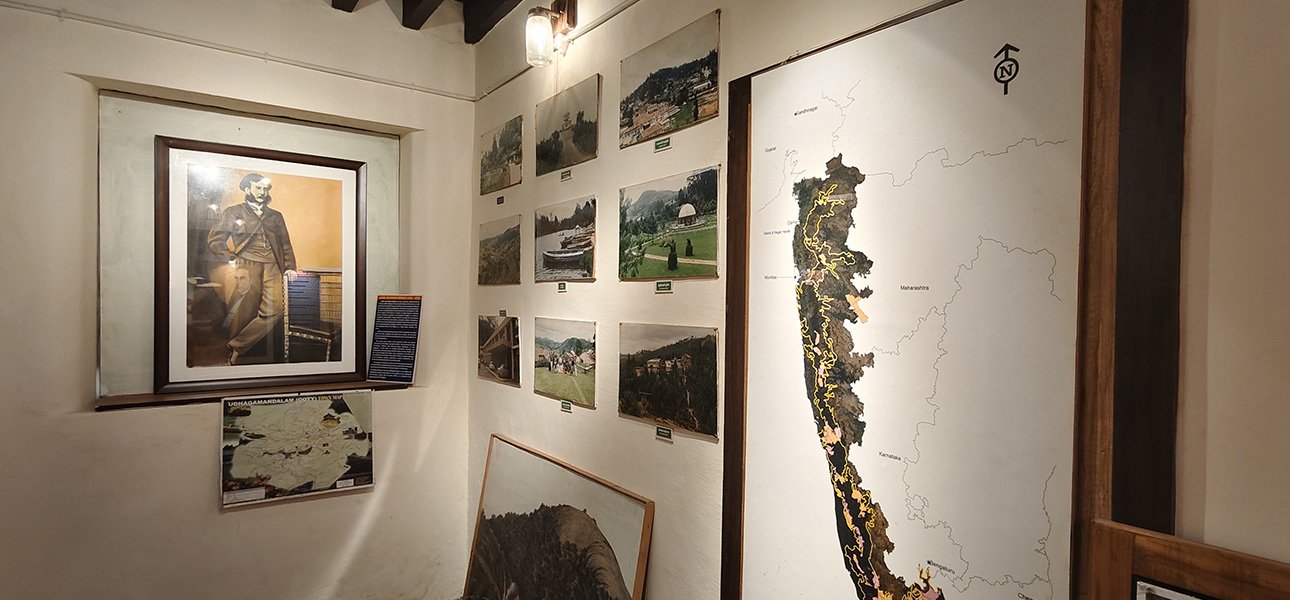
Historical photographs and regional maps displayed inside Government Museum Ooty

Three things give it weight:

  • Tribal Documentation: The museum records the everyday objects, house-building methods, social customs and religious practices of the Nilgiri hill tribes.
  • Archaeology: Stone-age tools, urn burials and megalithic remains found at high-altitude sites across the district are kept here.
  • Ecology: Stuffed animals, rock samples and plant displays explain the Shola forest ecosystem.

Watch: Exploring Ooty’s Rich Tribal Heritage & History

What Is on Display?

Ethnology and Tribal Life

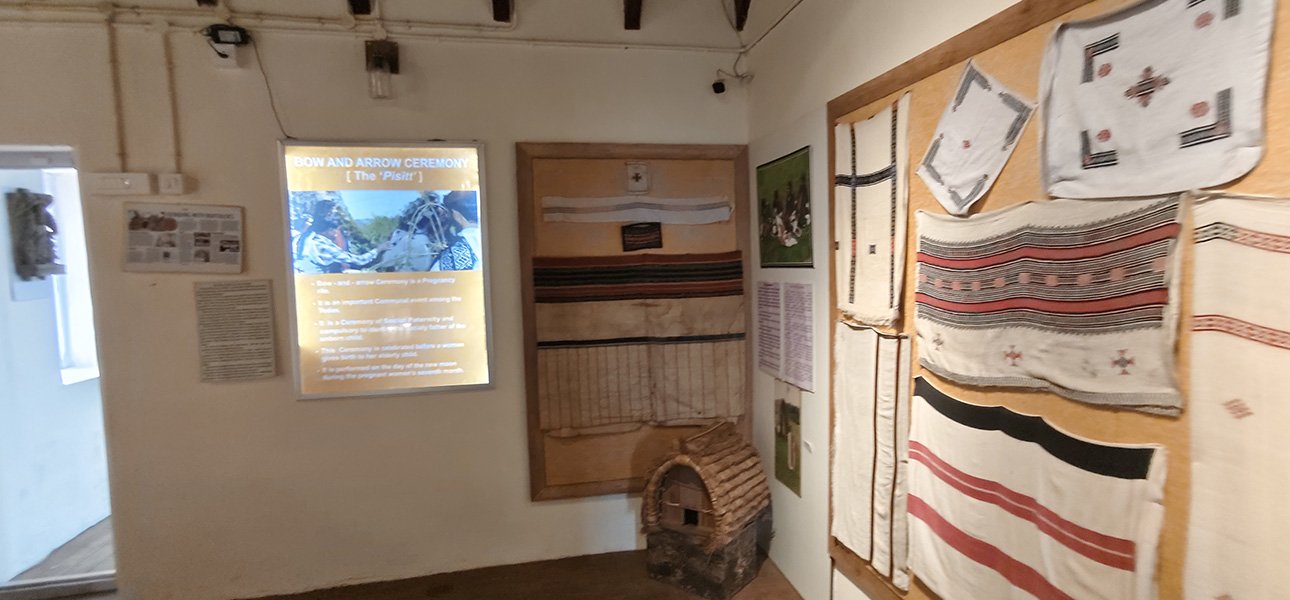
  • Main Objects: Toda embroidered shawls (Pukhoor), Kota pottery, Kurumba reed baskets and traditional weapons.
  • What They Show: Craft techniques and ceremonial dress of the hill tribes.

Archaeology

  • Main Objects: Carved hero stones (Veeragal), old bronze figures, terracotta burial urns and megalithic grave tools.
  • What They Show: Human settlement in the Western Ghats from the Iron Age through the medieval period.

Arts and Handicrafts

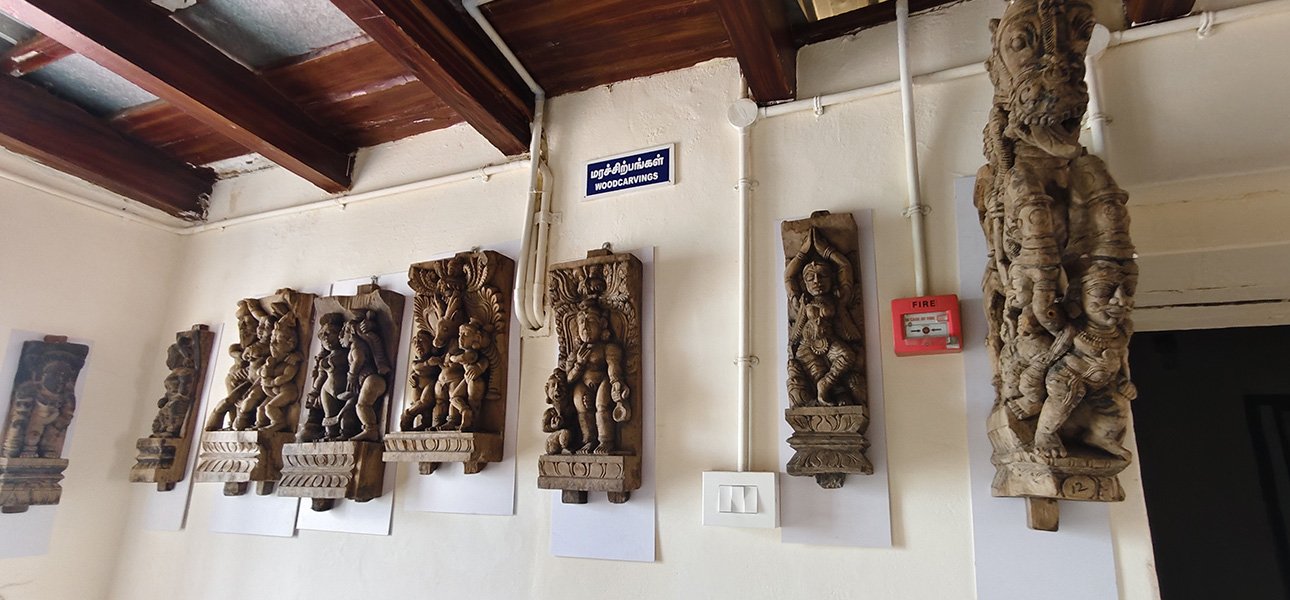
  • Main Objects: Hand-carved wooden sculptures, antique brass utensils, coins and old oil paintings.
  • What They Show: Local craftsmanship and the trade links of South India.

Natural History

  • Main Objects: Mounted birds, preserved reptiles, rock strata and forest seeds.
  • What They Show: The make-up of the upper Nilgiri plateau.

The Galleries

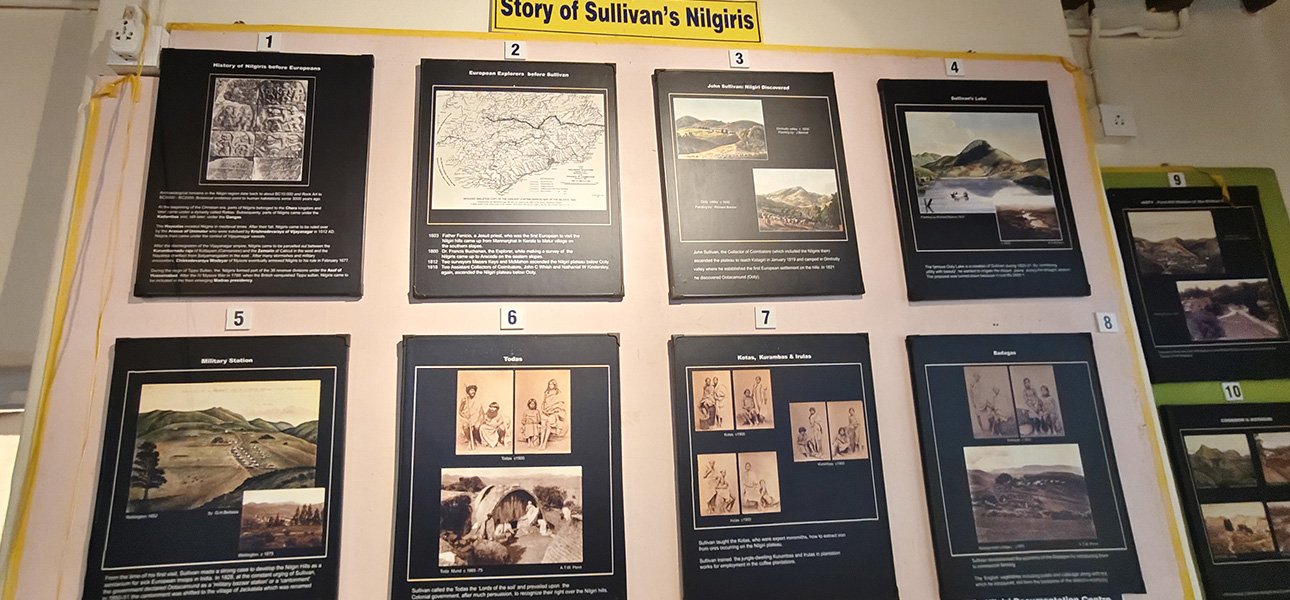
Historical displays about the Nilgiris and John Sullivan inside Ooty Government Museum

1. Nilgiri Tribal Culture Gallery

This is the main draw. The plateau was home to several isolated communities, among them the Toda, Kota, Kurumba, Irula, Paniyan and Badaga.

  • Toda: Dioramas show barrel-vaulted Toda huts (dogles) built from bamboo, thatch and cane. White cotton shawls with bold red and black geometric embroidery hang alongside buffalo-herding gear and brass ritual objects.
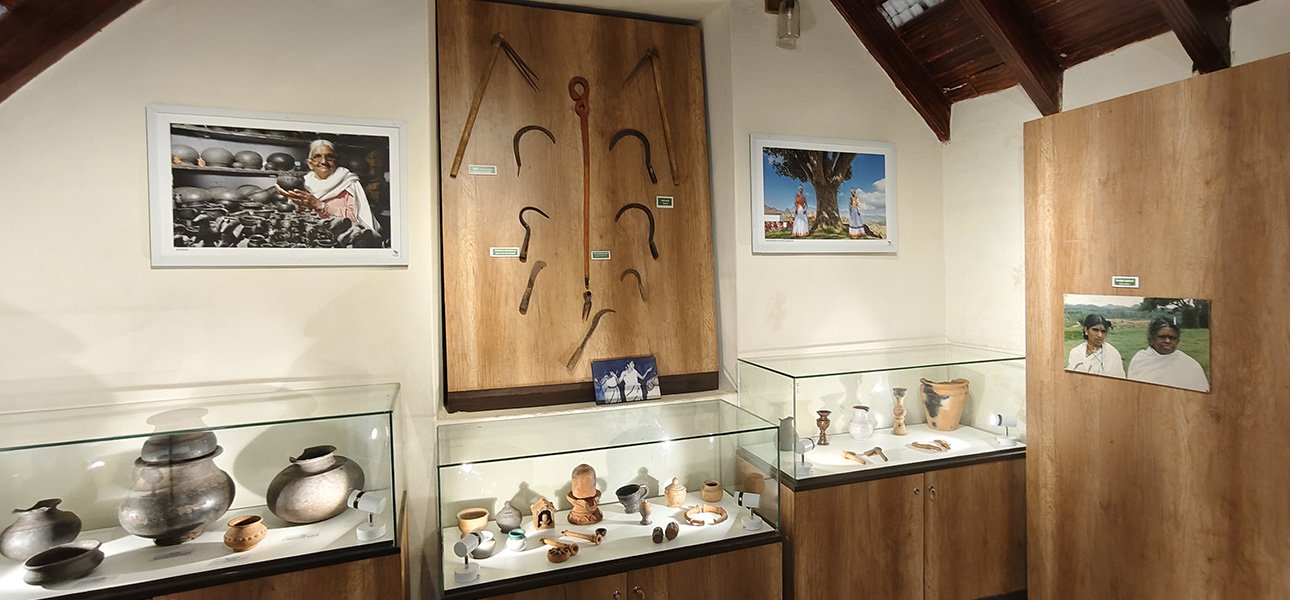
  • Kota: The Kota were the region’s chief artisans. Their wheel-less pottery and wrought-iron tools are on view.
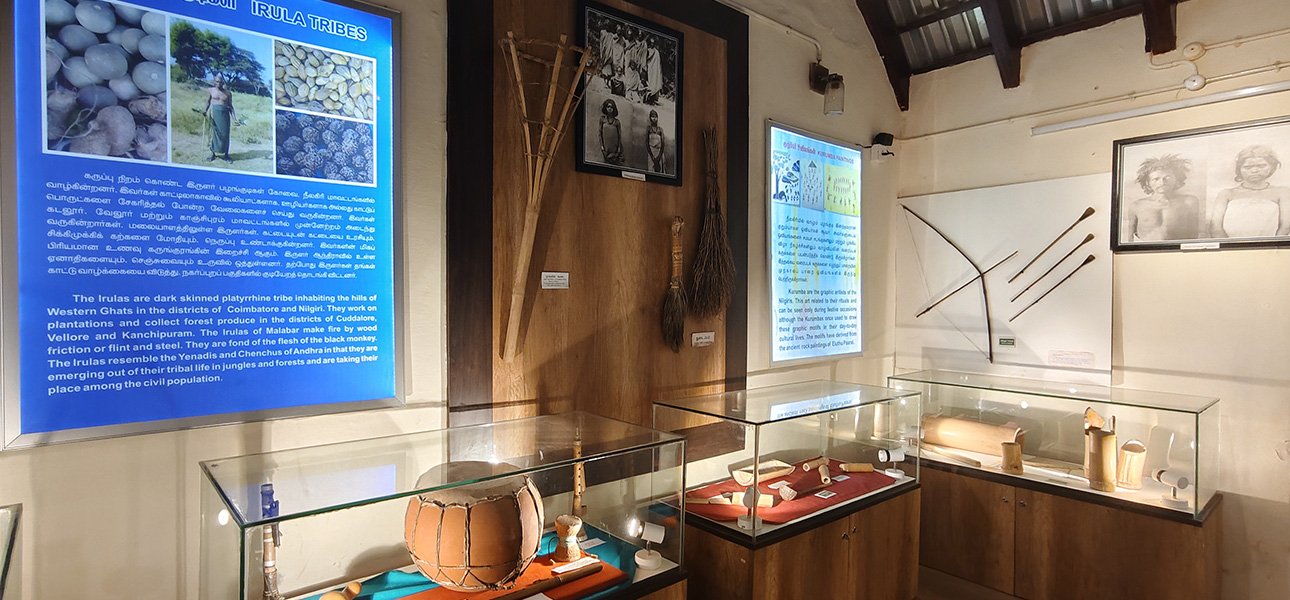
  • Kurumba and Irula: Honey-gathering equipment, herbal medicine samples, reed pipes (Kota Pugi) and ceremonial drums reflect their forest knowledge.

2. Prehistoric and Archaeological Gallery

Human activity on the high plateau before written records is traced here through stone celts, microlithic tools, funerary urns and terracotta figurines. Most were dug out of burial mounds around Ooty, Kotagiri and Coonoor.

3. Natural History and Geology

This section deals with the environment of the Biosphere Reserve:

  • Mounted specimens of local wildlife.
  • Displays of native Shola trees and high-altitude grassland plants.
  • Rock samples of the charnockite that forms the Nilgiri hills.

4. Colonial and Fine Arts

The last section covers Udhagamandalam after the 19th century. Colonial maps, administrative records, antique wooden furniture, oil paintings and brass ceremonial lamps are on show.

Visitor Information

Traditional wooden sculptures and decorative carvings displayed at Ooty Government Museum
  • Address: Kotagiri Road, near Government Arts College, Stone House area, Thalayathimund, Udhagamandalam (Ooty), Nilgiris, Tamil Nadu 643002.
  • Opening Days: Saturday to Thursday. Closed on Fridays and national holidays.
  • Timings: 10:00 AM to 5:00 PM.
  • Entry Fee: Adults ₹10, children ₹5. School groups enter free with prior permission.
  • Photography: Still-camera permits are sold at the ticket counter.
  • Time Needed: One to two hours for all the galleries.

Getting There

The museum is in the old Stone House area, and both public and private transport reach it easily.

Traditional tribal tools, musical instruments and artifacts displayed at Ooty Government Museum
  • From Ooty Bus Stand and Railway Station: The distance is about 3.5 km. Taxis, autos and town buses heading for Kotagiri stop near the Government Arts College junction.
  • From Coimbatore International Airport (CJB): The airport is roughly 88 km away. State buses and private taxis run via the Mettupalayam–Coonoor–Ooty road (NH 181).
  • Next to Stone House: Stone House, the first British residence in Ooty, was built by John Sullivan. With the Arts College beside it, several heritage stops fit into one outing.

Research and Conservation

Traditional tools, clay pots and tribal artifacts displayed at Ooty Government Museum

Anthropologists, historians, botanists and students use the museum for study. Rare tribal objects are displayed with detailed notes, which helps explain how protecting tribal heritage and protecting the hill ecosystem are linked. Skills such as Toda embroidery, Kota pottery and traditional herbal medicine are recorded here so they are not lost.

Nearby Places

Traditional tribal clothing and woven textiles displayed at Ooty Government Museum
  • Stone House: About 300 m away. A bungalow dating to 1822, built by John Sullivan, often seen as the starting point of modern Ooty.
  • Government Botanical Garden: About 1.5 km away. Laid out in 1848, with more than 1,000 plant species.
  • Ooty Rose Garden: About 2.5 km away. A terraced garden with thousands of rose varieties.
  • Doddabetta Peak: About 8.5 km away. The highest point in the Nilgiris, with wide views over the plateau.

Cottage Stays Near the Government Museum

The Government Museum stands on Mysore Road, a short distance from the main parts of town. Its collection includes tribal artefacts, ecological exhibits and displays on Nilgiri heritage, which will interest history and culture enthusiasts. The streets around it are narrow, winding and residential, and they make a restful place to return to after a day of sightseeing.

Government Museum, Ooty – Location and Directions